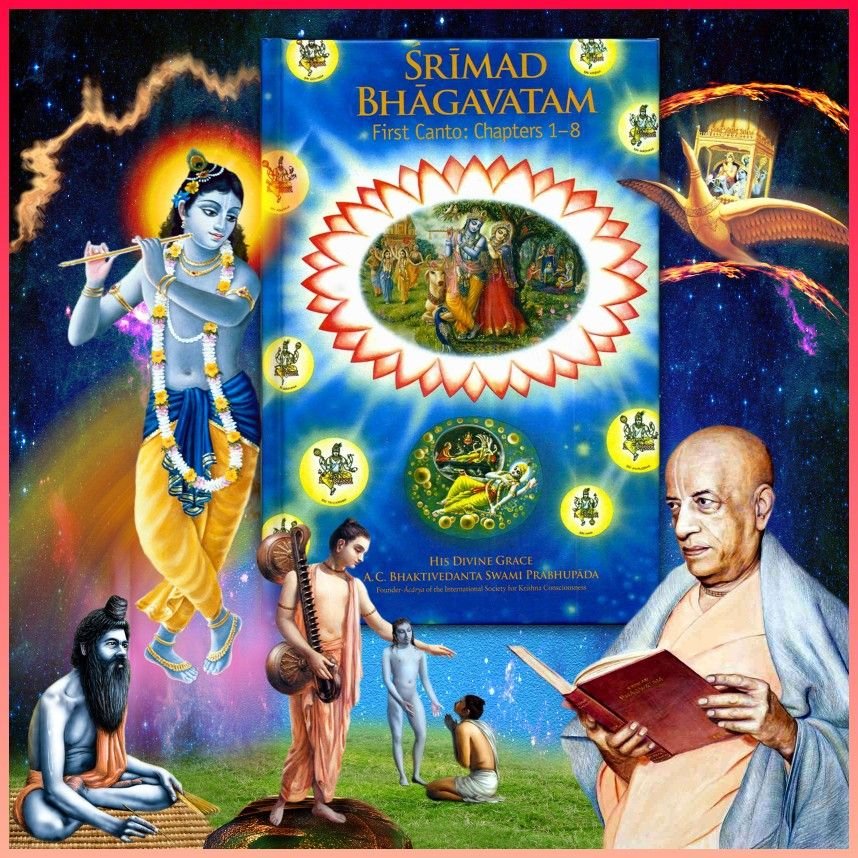
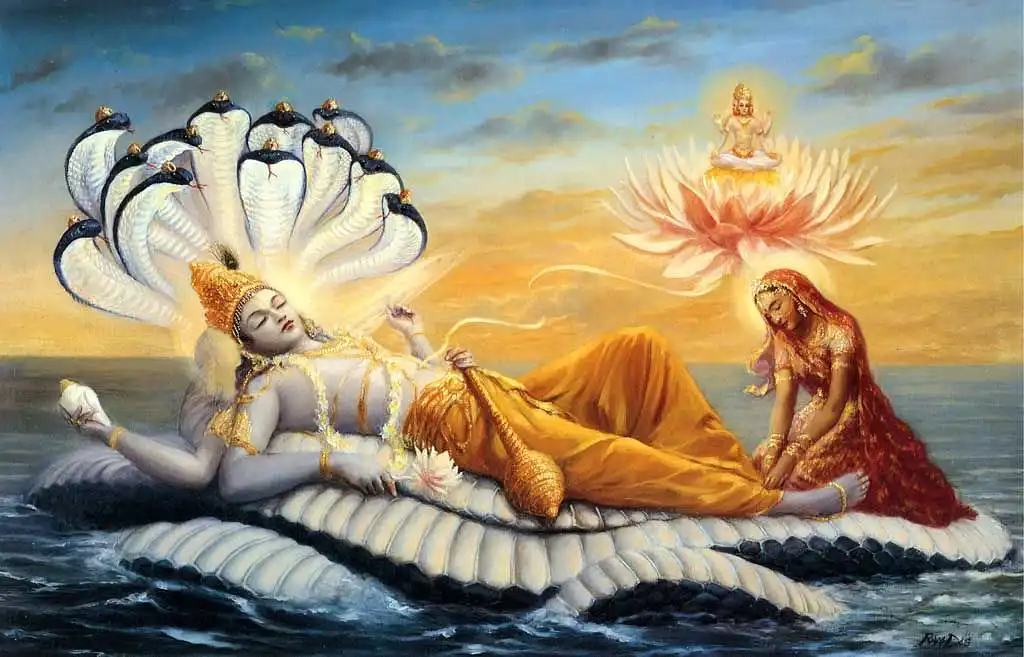
Ekadashi Vrat is a significant ritualistic fasting practice in Hinduism, dedicated to Lord Vishnu, the protector of the realm. It is observed on the eleventh lunar day (Ekadashi, literally meaning ‘eleventh’) of both the Krishna Paksha (new moon phase) and the Shukla Paksha (waxing moon phase) in a Hindu calendar month. Millions of Hindus worldwide observe this fast.
Meaning of Ekadashi Vratham
Ekadashi fasting is primarily about spiritual cleansing and preparing oneself to attain Moksha (salvation). Lord Vishnu narrated the significance of the Ekadashi fast to Yudhishthira, stating that faithful observers purify their souls and achieve salvation. The practice also helps human beings get rid of negative planetary influences and attain happiness.
The name Ekadashi itself comes from a Goddess created by Lord Vishnu. According to a tale, this Goddess Ekadashi defeated the demon Mura to restore peace. Pleased with her act, Lord Vishnu endowed her with the boon that anyone observing the Ekadashi fast would be freed from all sins and impurities of the mind, and would surely attain Moksha.
There are 24 Ekadashis in a year, and they hold prime importance for Lord Vishnu’s worshippers. Each Ekadashi often has a unique story, known as “Ekadashi Ki Katha,” explaining its origin and spiritual significance, and listening to or telling these stories strengthens the spiritual rewards of fasting. For example, the Indira Ekadashi, occurring in the Krishna Paksha of Ashwin month, is considered most beneficial for the liberation and peace of ancestors’ souls, capable of destroying all sins and removing ‘Pitru Dosha’ (ancestral fault). The story of King Indrasena illustrates how observing this Vrat can grant liberation to ancestors suffering in Yamaloka.
Benefits of Observing Ekadashi Vrat
The benefits of Ekadashi fasting are multifaceted, encompassing spiritual, physical, and mental well-being:
1. Spiritual Benefits:
• Purification of the soul and attainment of Moksha (salvation).
• Freedom from all sins and impurities of the mind.
• Attainment of peace, harmony, and prosperity.
• Achieving mental peace and stability.
• For devotees of Vishnu, fasting on Ekadashi is considered equivalent to visiting any place of pilgrimage or performing the renowned Aswamedha sacrifice.
• It helps individuals break free from the cycle of rebirth.
• Deepens spiritual connection and devotion through prayer, meditation, and contemplation.
• Allows individuals to seek divine blessings and grace, particularly from Lord Vishnu.
2. Physical Benefits (Scientific Importance):
• Detoxification and cleansing of the body by giving the digestive system a rest, eliminating toxins, improving liver function, and promoting cellular repair.
• Improved digestion and metabolism by resetting the digestive system, stimulating enzyme production, enhancing gut health, and nutrient absorption.
• Weight management and potential weight loss by restricting calorie intake and utilising stored fat for energy.
• Enhanced immune system by allowing the body to allocate resources towards repair and strengthening, boosting vitality, and protecting against illnesses.
• The sources note that atmospheric pressure is lowest on Ekadashi days, making it the ideal time to fast and cleanse the body without strain, refreshing the liver, stomach, and bowel.
• It is suggested that not taking food on Ekadashi allows the body’s ‘machine’ to rest and provides more time for devotional service (nāma-bhajana), thereby nourishing and increasing devotion.
• The moon’s gravitational pull on the Earth’s oceans, which influences high tides during specific lunar phases, also affects the human body, which is 90% fluid. Fasting from grains, which absorb water, is believed to prevent diseases that might arise from the moon’s increased gravitational influence on body fluids on these days.
3. Mental Benefits:
• Purification of the mind and spirit, detaching from worldly distractions and cleansing consciousness.
• Increased mental clarity and focus, as mental energy is redirected when the body is not occupied with digestion.
• Heightened self-awareness and mindfulness by consciously choosing to fast and engage in spiritual practices.
• Emotional cleansing and balance, allowing for greater emotional awareness and healing.
• Strengthening willpower and resilience through self-discipline and restraint in abstaining from food.
How to Observe Ekadashi Vrat Properly
1. Eligibility and Determination:
• While all Hindus can observe the fast, it is particularly popular among devotees of Vishnu.
• Pregnant women, the infirm, and old people must not keep this fast.
• Only those who are determined and deeply spiritual can observe the fast as per the rules.
2. Dietary Restrictions and Allowances:
• Strictly prohibited: Food grains, meat, and fish are strictly forbidden. This includes flour, rice, wheat, pulses, onion, and garlic.
• Allowed: Fruits, milk, milk-based products (like paneer and ghee), makhana, singhare ke atta, kuttu ka atta, and rajgira ka atta can be consumed.
• Nirjala Ekadashi: This is the most extreme variant where observers must not drink water at all. However, those who cannot observe Nirjala Ekadashi can intake fruit and milk.
• Prohibited substances: Smoking and drinking alcohol are strictly forbidden during the fast.
3. Daily Observances and Conduct:
• The fast must start at sunrise and end at sunset.
• Observers are advised to wake up early in the morning, take a purifying bath, and recite the Vishnu mantra, “Om Namo Bhagvate Vasudevaya”.
• They should refrain from violence, deceit, and lying, and instead indulge in charitable activities.
• Fasting is also conducive to concentrating on meditation and prayers.
4. Timing for the Vrat and Breaking the Fast:
• There are 24 Ekadashis in a year. The timings depend on the ‘tithi’ (lunar day).
• It is advised to consult a ‘drikpanchang’ or local Panchang for the exact timings of Ekadashi and the fasting period. ISKCON temples also provide accurate details.
• The fast should ideally be observed during the entire Ekadashi hours.
• Breaking the fast (Parana): This is a crucial aspect. According to Vedic traditions, Parana should be performed only after sunrise on Dwadashi (the 12th lunar day), within a specific time frame. Devotees must avoid breaking the fast too early or too late, as it diminishes the spiritual merits. It is advised to consume food as early as possible on Dwadashi morning to avoid complications as atmospheric pressure builds up faster.
• After sunset on Ekadashi, one may eat the allowed Ekadashi fasting foods. Normal dietary routine can resume after the Ekadashi fast breaking time (Parana).
5. Preparation for Indira Ekadashi (as an example):
• On the Dashami (tenth) day, before Indira Ekadashi, one should take a bath in the morning, and again at noon in a holy river or similar, then perform Shraddh for ancestors with devotion, and eat only once.