Navadha Bhakti, the Nine Processes of Devotion
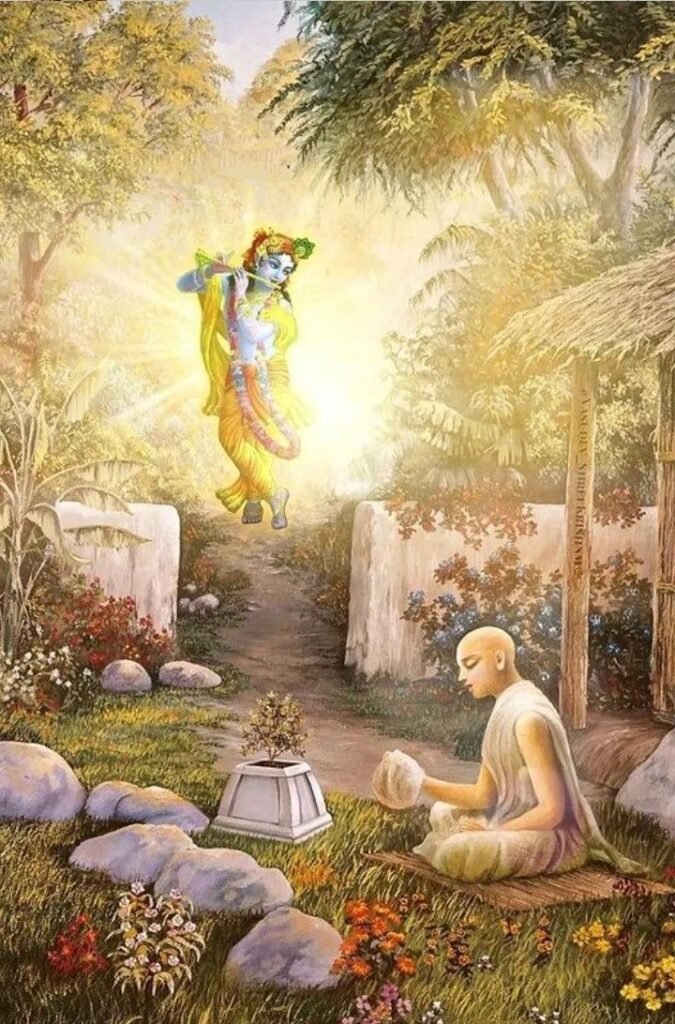
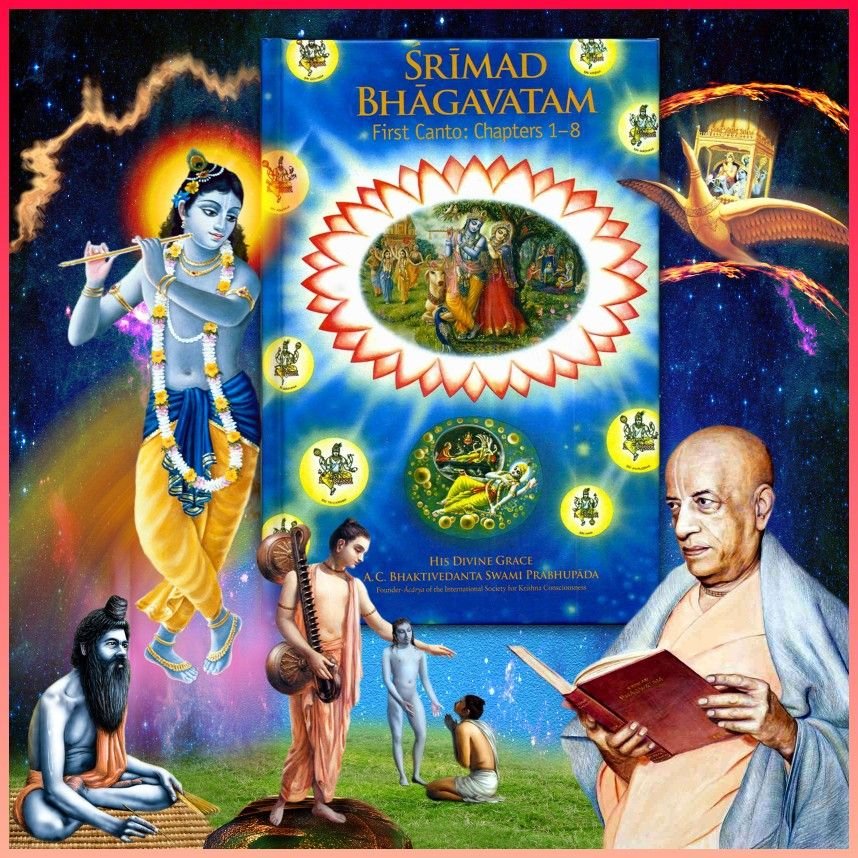
The Srimad Bhagavatam outlines Navadha Bhakti, the Nine Processes of Devotion, as tangible ways to deepen our connection to Krishna and experience true inner peace. Regularly cultivating these processes can lead us closer to the Lord.
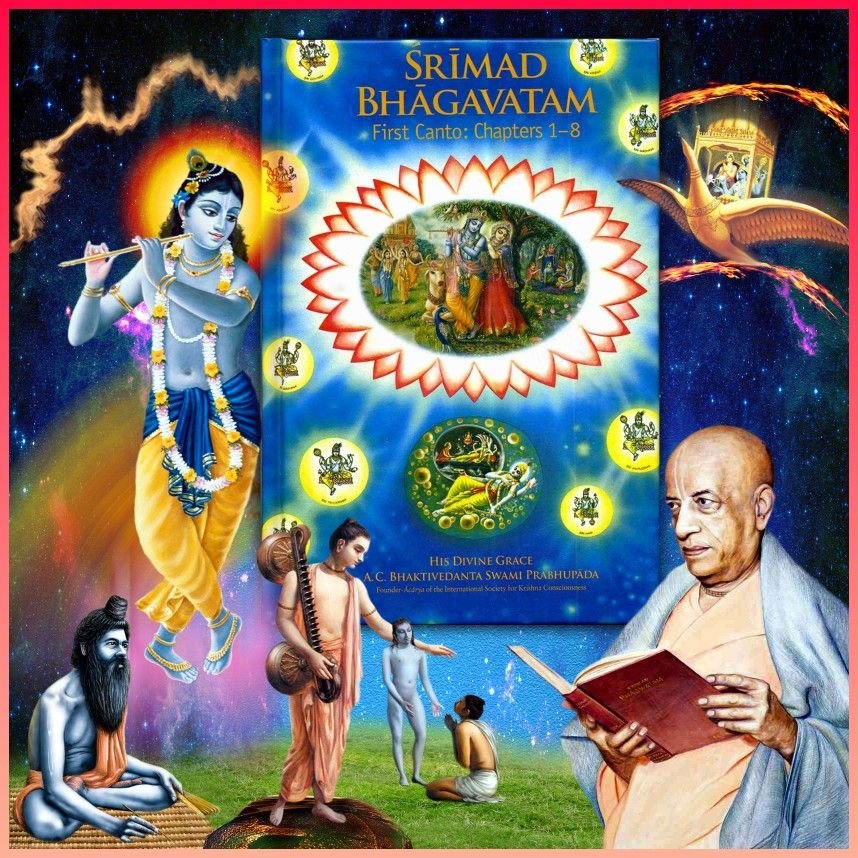
- Shravanam (Hearing): Transform your mind and heart by listening attentively to the pastimes and teachings of the Lord, including His holy name, glories, forms, and words like the Bhagavad Gita. This purifies consciousness and cleanses the heart of negative qualities.
- Kirtanam (Chanting): Singing or chanting the holy names, especially the Hare Krishna mantra, awakens dormant love for God and frees the soul from anxiety and worry. This practice is accessible to anyone, regardless of their qualifications, and is considered the most effective in the current age.
- Smaranam (Remembering): After purifying your heart through hearing and chanting, remembering the Lord brings comfort and clarity, particularly during emotional distress. This involves concentrating your mind on a particular form of the Lord
- Padasevanam (Serving the Lord’s Feet): This encompasses various acts of service, such as seeing and touching the Lord’s form, visiting holy places, bathing in sacred rivers like the Ganges or Yamunā, and serving pure Vaiṣṇavas. It’s a powerful expression of humility and love.
- Arcanam (Worshipping): Offering items like flowers, incense, and food to the Deity in a mood of reverence creates a deep sense of sacredness. Householder devotees are encouraged to learn Deity worship from a bona fide spiritual master and maintain purity.
- Vandanam (Offering Prayers): Speaking to the Lord in your own words or offering traditional prayers brings your mind into a divine space of surrender and gratitude. The Hare Krishna Mahamantra is considered a most important and beautiful prayer. You can praise His glories, offer gratitude, or even apologise for faults.
- Dasyam (Servanthood): Considering yourself an eternal servant of Lord Krishna aligns your actions with your spiritual identity. This also extends to serving those who serve the Lord.
- Sakhyam (Friendship): Approaching the Lord as a dear friend cultivates trust, intimacy, and joyful companionship with the Divine. This mode of devotion is considered even closer than servanthood.
- Atmanivedanam (Full Surrender): The highest expression of Bhakti involves the total surrender of your body, mind, and soul to the Lord’s will. Such a devotee performs all work only to please the Lord, without worrying about their own maintenance.
Essential Daily Practices for Spiritual Well-being
Beyond the nine processes, here are more specific, actionable steps for your daily routine:
- Chant the Holy Name (Hari Naam): The Hare Krishna Maha-mantra is considered the “most effective and accessible” practice for spiritual and mental clarity. Chanting, whether as japa (on beads) or kirtan (sung with others), acts like spiritual medicine for the restless mind, invoking divine presence and dissolving mental fog. It is all-powerful and doesn’t follow any strict rules, meaning you can chant it in any state or place. Initiated devotees vow to chant sixteen “rounds” (108 times per round) daily.
- Follow the Four Regulative Principles: These sacred guidelines protect your consciousness from distraction and degradation. Initiated devotees vow to abstain from:
- All meat, fish, or eggs (fosters compassion).
- All intoxication (including tea, coffee, tobacco, keeping the mind sharp).
- Gambling (prevents greed and anxiety).
- Illicit sex (engaging in sex only for procreation within marriage, promoting self-control). By adhering to these, peace of mind becomes natural, as inner and outer environments align in purity..
- Simple Daily Habits: Incorporating these gently builds spiritual strength and inner peace:
- Morning Gratitude: Start your day by expressing gratitude to Krishna for three blessings.
- Short Chanting: Even 10 minutes of japa or listening to kirtan can refresh your mental atmosphere.
- Read or Hear Krishna Katha: Listen to a lecture from a senior devotee or read a page from the Bhagavad-gita.
- Offer Your Food: Before eating, offer your meal to the Lord with love to sanctify what you consume.
- Associate with Devotees: Spend time with those who uplift you spiritually, whether in-person or online.
- Visit the Temple: A visit to your local ISKCON temple can reawaken your spiritual resolve and provide a sanctified atmosphere.
Adapting Practices: The Example of Menstruation
It’s important to understand that while traditional Smriti rules exist regarding purity (e.g., during menstruation), ISKCON’s acharyas often advise that devotional service should not be stopped. For example, a female devotee during her menstrual period is encouraged to continue:
- Cooking for Deities if no one else is available, as stopping would be a greater offense.
- Chanting with Tulasi beads, as the Hare Krishna mantra is all-powerful and acharyas’ words override stricter rules.
- Reading the Bhagavad-gita, as these sacred books are given to all, and a devotee’s devotion is paramount.
- Visiting the temple, though she might not enter the inner deity temple due to high standards (unless she is the only one available for service). During these days, it is also acceptable to relax strict routines, wear comfortable clothes, cook simple food, and perform Deity service mentally rather than physically touching the Deities. This approach prioritises the devotee’s emotional well-being and continuous connection to the Lord.
A Lifelong Journey with Krishna
Finding peace of mind through Bhakti Yoga is a lifelong journey, a walk with Krishna by your side, supported by a loving community of fellow devotees. Every small act of remembrance, every whispered prayer, every repetition of the Holy Name brings you closer to the eternal peace that resides in the heart of Krishna. Bhakti Yoga teaches us to stop running and start remembering; the Lord is always near.
Begin your journey inward today. Even a single step taken in Bhakti brings immeasurable peace.